
When you walk into a grocery store and pick up a package of beef, you’re looking at the final stop in a very long, very industrial process.
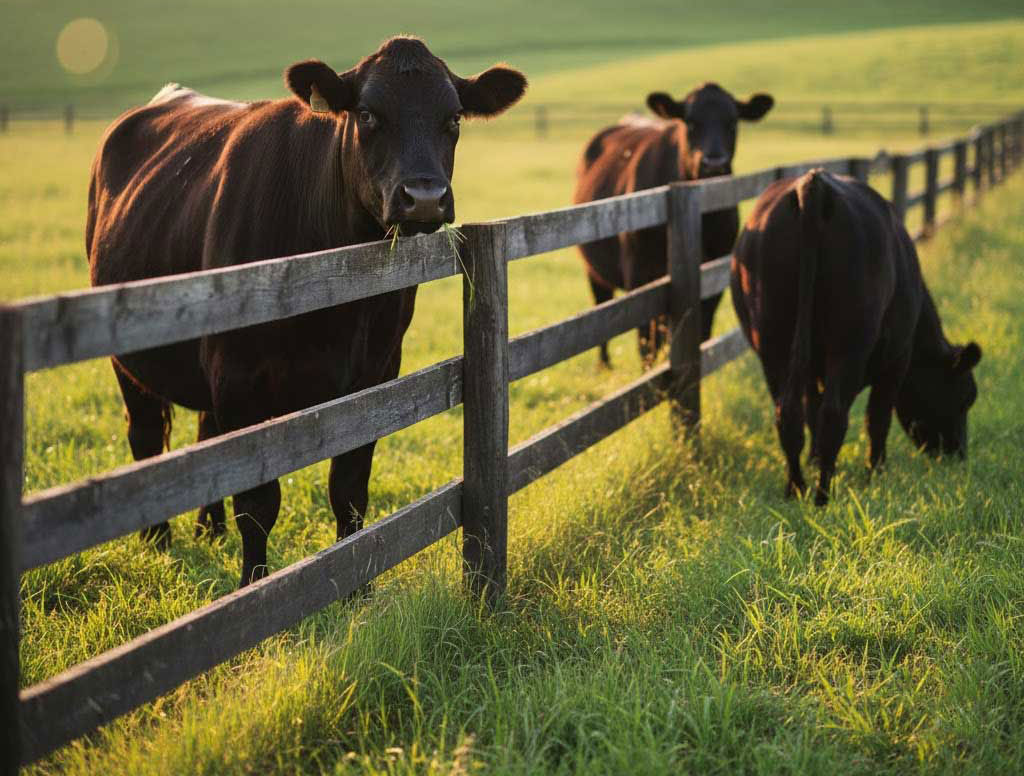
When you buy beef from a local farm, you’re buying directly from the people who raised the animal.
That difference matters more than most people realize.
1. You Know Where Your Beef Came From
At a grocery store, your beef likely came from:
- Multiple cattle combined in one processing lot
- A feedlot with thousands of animals
- A supply chain that crosses several states
When you buy from a local farm, you know:
- Who raised the animal
- How it was fed
- How it was handled
- Where it was processed
That transparency builds trust. And trust matters when it comes to your family’s food.
2. Higher Quality and Better Flavor
Local farms typically raise cattle at a slower, more natural pace. Many use pasture-based systems, rotational grazing, and smaller herd sizes.
That often means:
- Better marbling
- Cleaner flavor
- More consistent cuts
- No “mystery meat” blending
When you buy a whole, half, or quarter beef, you’re getting meat from a single animal. That consistency is something grocery store beef simply cannot offer.
3. You Support Your Local Economy
Buying local keeps money in your community.
Instead of your dollars going to:
- Large multinational corporations
- Distant distributors
- Industrial processing giants
They go to:
- A family farm
- Local processors
- Local suppliers
You are directly helping sustain farmland, rural jobs, and agricultural traditions in your area.
4. Transparency in Animal Care
Industrial beef production prioritizes scale and efficiency.
Local farms prioritize:
- Animal health
- Low stress handling
- Cleaner environments
- Responsible feed practices
Many small farms are happy to answer questions. Some will even let you see where your beef was raised. Try asking your grocery store where your ribeye came from. You’ll quickly see the difference.
5. Better Long Term Value
At first glance, grocery store beef can look cheaper. But when you compare apples to apples, especially premium cuts, that gap often narrows.
When you buy directly from a farm:
- You lock in your price per pound
- You fill your freezer with high quality cuts
- You reduce frequent grocery trips
- You protect yourself from retail price spikes
And you gain something grocery stores cannot sell: confidence in your food supply.
6. Food Security and Resilience
The past few years showed how fragile large supply chains can be.
Empty meat shelves.
Purchase limits.
Sudden price jumps.
Buying from a local farm creates stability. You know your source. You know your supply. You are not dependent on a national distribution system.
7. It Just Feels Different
There is something meaningful about serving beef at your table and knowing exactly where it came from.
You’re not just buying protein.
You’re supporting stewardship of land.
You’re supporting responsible farming.
You’re choosing quality over convenience.
Final Thoughts
Grocery stores serve a purpose. They are convenient and accessible.
But if you care about:
- Transparency
- Quality
- Supporting local families
- Long term value
- Knowing your food source
Buying beef from a local farm is a different experience entirely.
It’s not just a transaction.
It’s a relationship.